Must-Know Hardscape Design Rules From a Hardscaping Contractor
Hardscaping refers to the hard elements in the landscape, such as patios, walkways, and retaining walls, which require a strategic approach to integrate both design and functionality. By understanding the basics of hardscape design, homeowners and designers can transform any outdoor area into an aesthetically pleasing and functional environment. Through years of experience, professional hardscaping contractors have developed a set of rules that guide the design process to ensure projects are both practical and stunning. In this article, we will delve into these rules, offering valuable advice on materials, layouts, and common design pitfalls to avoid.
What materials are best for hardscaping?
Natural Stone vs. Man-Made Materials
When assessing hardscaping materials, the choice often boils down to natural stone versus man-made materials. Natural stone, like granite and slate, offers timeless beauty and durability that is unparalleled. It blends seamlessly with the environment, providing an organic appearance and unique texture to outdoor spaces. However, man-made materials, such as concrete pavers, offer versatility in design with a wide range of colors, textures, and patterns. The decision often depends on budget constraints, aesthetic preferences, and the long-term maintenance plan for the outdoor space.
Choosing between natural and man-made materials also involves considering the local climate and geographical conditions. Natural stone may offer superior resistance to extreme weather, but man-made materials can be engineered to withstand similar conditions. In climates with significant freeze-thaw cycles, for example, choosing materials that are less susceptible to cracking is paramount. Homeowners must weigh the initial cost against the long-term benefits, as natural stone can incur higher upfront costs with potentially lower maintenance. For those prioritizing sustainability, natural stone often involves less processing and chemical treatment compared to man-made options.
How to plan a cohesive layout for outdoor spaces?
Understanding Space Dimensions and Flow
Developing a cohesive layout for outdoor spaces starts with a comprehensive understanding of the space’s dimensions and natural flow. Measuring the area thoroughly and identifying existing elements that will influence the design is crucial for creating an inviting and functional space. An ideal hardscape layout considers the natural movement through the space, ensuring that paths and patios lead seamlessly from one area to another without obstruction. Flow is greatly influenced by the intended use of the space; hence, designing paths that cater to frequent activities is important. By incorporating strategically placed walkways and gathering areas, you create an inviting environment that enhances usability.
Space dimensions dictate the scale and organization of hardscape features. Large, sprawling outdoor areas might benefit from grand stone patios, while smaller spaces could require more compact designs that make efficient use of every inch. The size of features like fire pits, seating areas, and water elements should harmonize with the space available, offering functionality without overwhelming the area. Thoughtful design ensures that each element complements the other, allowing a seamless transition between relaxation zones and functional pathways. Consequently, each aspect of the layout should be assessed for practicality as well as visual appeal.
What are common mistakes to avoid in hardscape design?
Overlooking Drainage Solutions
One of the most critical mistakes in hardscaping is overlooking drainage concerns. Proper drainage ensures that water doesn’t accumulate, which can lead to issues like erosion, water damage, or even flooding. Effective drainage systems encompass choosing the correct grading and using materials that allow water permeability. If left unaddressed, drainage issues can compromise the structural integrity of hardscape elements, causing costly repairs in the future. Considering these factors from the start is vital for preserving both the functionality and lifespan of outdoor installations.
A well-designed drainage system not only protects the integrity of hardscape structures but also enhances usability during inclement weather. Raised surfaces like patios should be tilted slightly away from structures, facilitating water runoff without pooling. Similarly, incorporating features like French drains or swales can aid in directing water away from vulnerable areas. During the planning phase, it is important to recognize areas prone to water buildup, incorporating solutions preemptively. By doing so, you safeguard both the hardscaping elements and the surrounding landscape from excessive water damage.
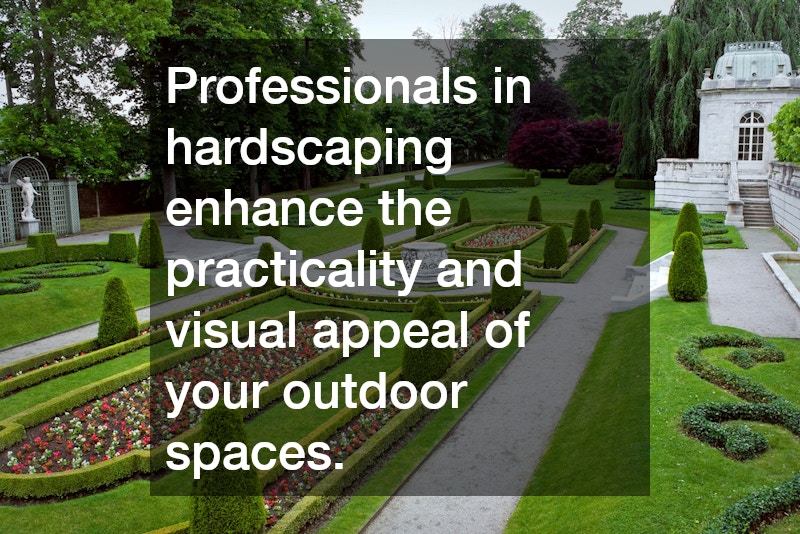
Adhering to the guidelines of seasoned professionals in hardscaping can significantly enhance the practicality and visual appeal of your outdoor spaces, making them a lasting investment. Whether choosing materials, planning layouts, or anticipating common design challenges, informed decisions are key to successful outdoor transformations. With thoughtful planning and professional insight, achieving a cohesive and functional outdoor space becomes an attainable reality.